




THE SDVoE-BASED 10G AV-OVER-IP ECOSYSTEM
Lightware’s TPN ecosystem combines Taurus TPN, HDMI-TPN, and OPTN endpoints into a 10G SDVoE-based AV-over-IP system, where the MMU acts as the central management layer for discovery, configuration, and video switching.
Discover TPN, Lightware’s 10G SDVoE-based AV-over-IP ecosystem, where the MMU provides centralized discovery, configuration, and switching, Taurus TPN enables USB-C and USB 2.0 signal integration, and OPTN endpoints extend uncompressed 4K60 4:4:4 video over long-distance fiber links. All with ultra-low latency and no visible delay.
TPN – 10G SDVoE System Key Features
Deterministic ultra-low latency and Genlock
Frame-accurate decoder synchronization for zero-drift multi-display applications
Fastswitch mode in -SR variants
The built-in scaler with frame buffer allows seamless switching between sources
Visually lossless 4K60 4:4:4 over 10G
Uncompressed image quality for critical visual applications
True SDVoE architecture
Standards-based AV-over-IP with full interoperability
Centralized management with MMU
Configure, monitor, and control the entire system from one interface
Independent network architecture
Separate AV and control networks for reliable operation
USB & KVM over IP
Extend keyboard, mouse, and USB devices across the network
10G fiber & copper connectivity
Flexible SFP+ and copper network options
Professional audio integration
HDMI audio de-embedded to Dante streams
Secure system operation
Protected access and configuration control
High availability design
Built for stable, mission-critical installations
Enterprise-grade scalability
Easily scale from small systems to large AV networks
TPN Product Families
Taurus TPN Series
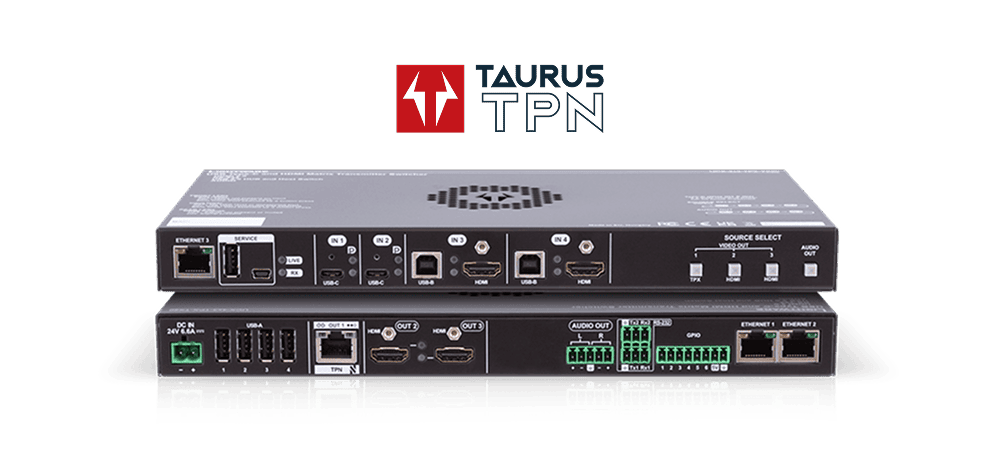
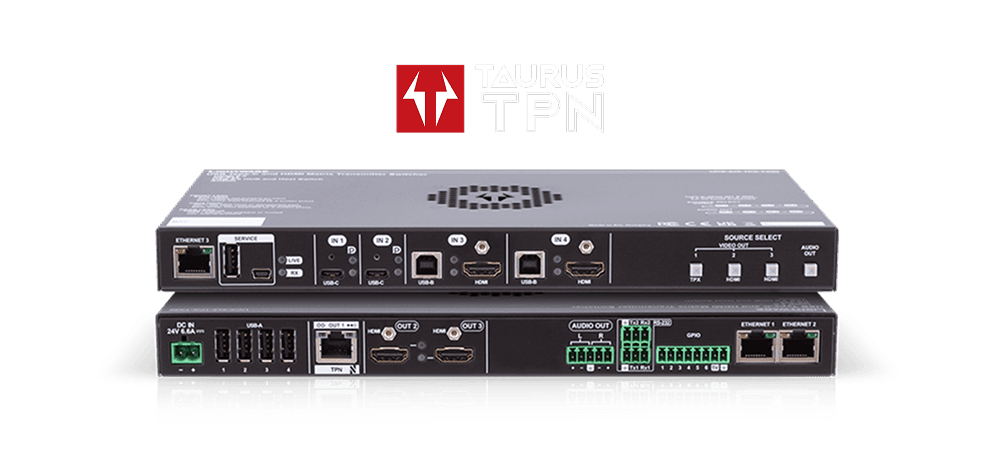
Taurus TPN Series brings USB-C–based meeting rooms into the 10G AV-over-IP world, combining video, audio, USB, Ethernet, and up to 100 W charging into a single, scalable networked workflow for modern collaboration spaces.
HDMI-TPN Series
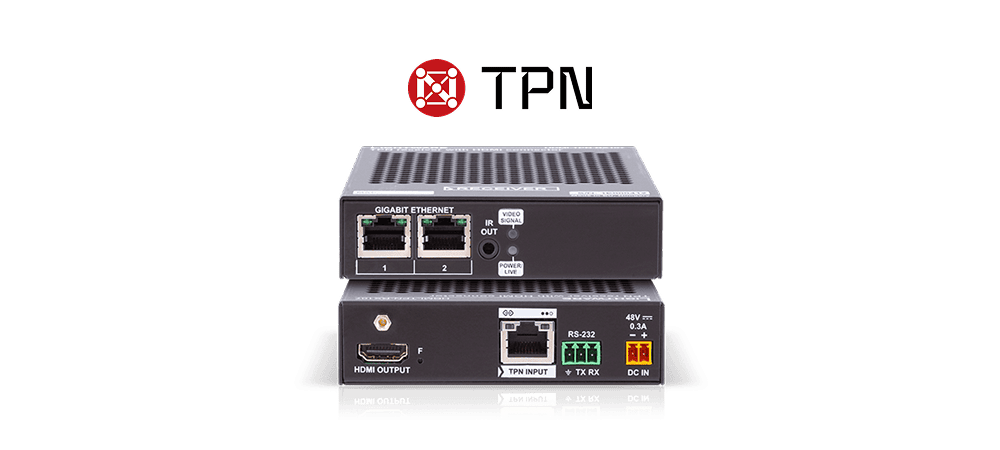
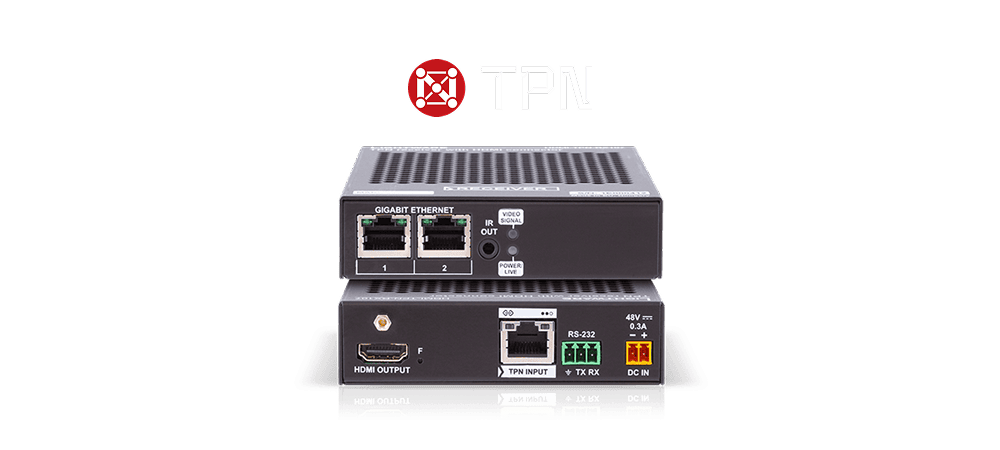
HDMI-TPN delivers deterministic, real-time HDMI and USB distribution over Lightware’s 10G AV-over-IP platform. It combines uncompressed 4K60 video, seamless switching on SR variants, flexible USB peripheral connectivity, and optional Dante audio de-embedding within a centrally managed networked architecture.
HDMI-OPTN Series
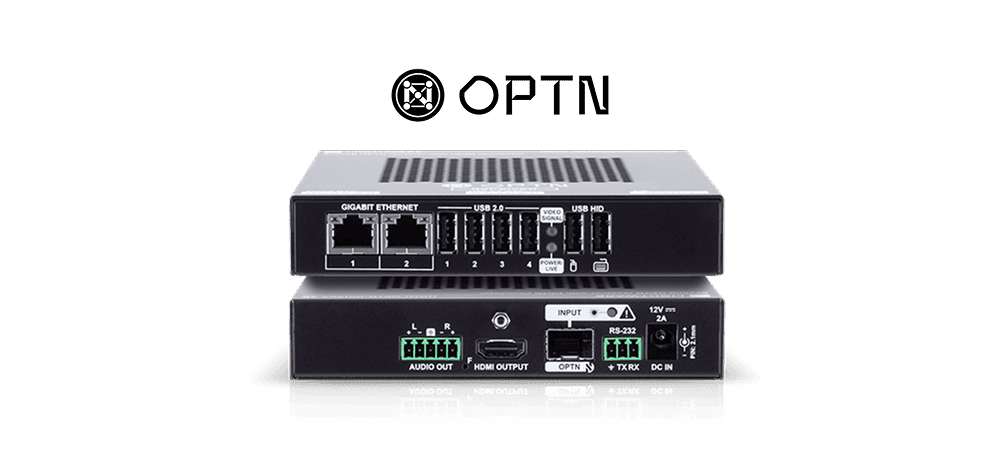
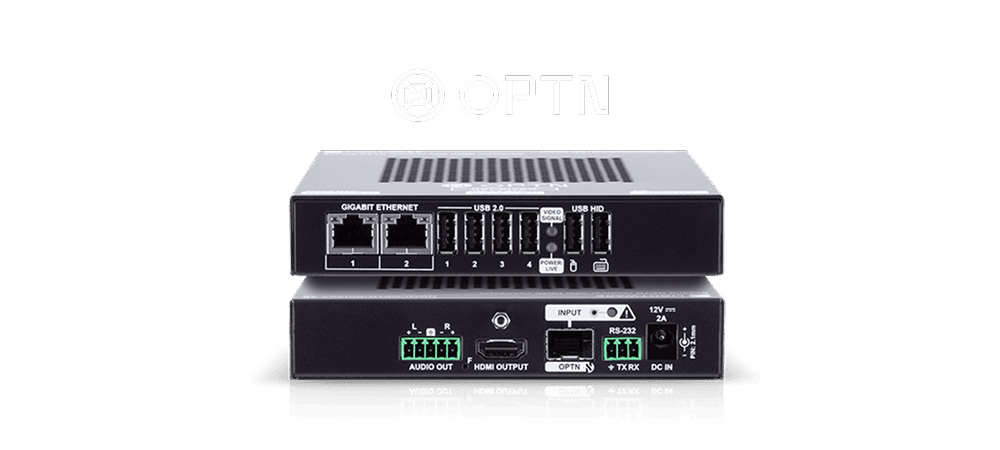
HDMI-OPTN delivers deterministic, real-time HDMI and USB distribution over fiber within Lightware’s 10G AV-over-IP platform. It combines uncompressed 4K60 video, seamless switching on SR variants, and flexible USB peripheral support in a centrally managed, long-distance networked architecture.
USB-only extension for the TPN ecosystem
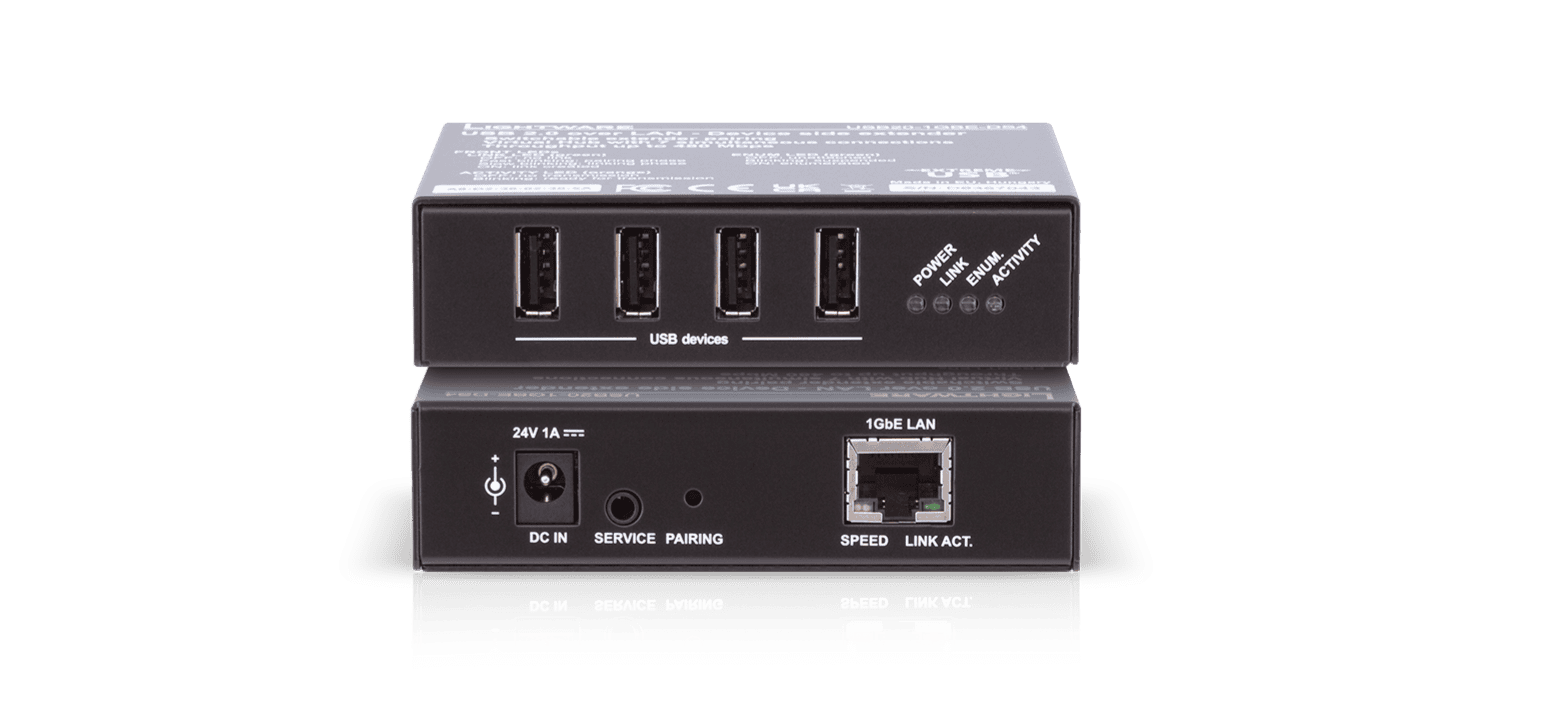
The USB 2.0 Extender family enables seamless peripheral connectivity across centrally managed AV-over-IP systems.
Discover Lightware’s Matrix Management Unit for centralized system overview and troubleshooting across your SDVoE network
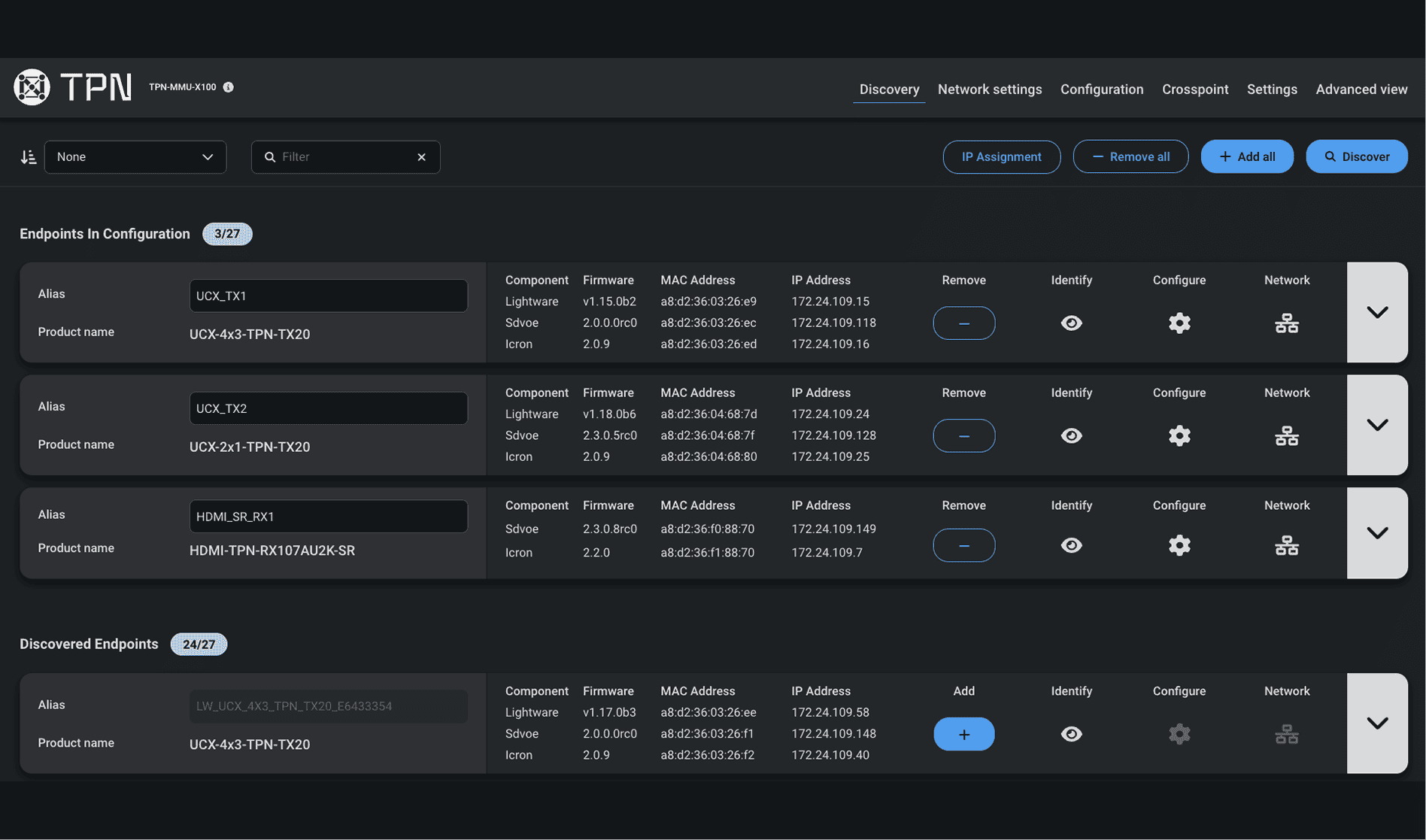
MMU automatically discovers TPN and OPTN devices across your 10G SDVoE network and builds an interactive topology map so you can see every transmitter, receiver and switch instantly. Device details (IP, MAC, alias, firmware version and status) are presented centrally, making inventory, troubleshooting and commissioning far faster than manual discovery or per-device scans.
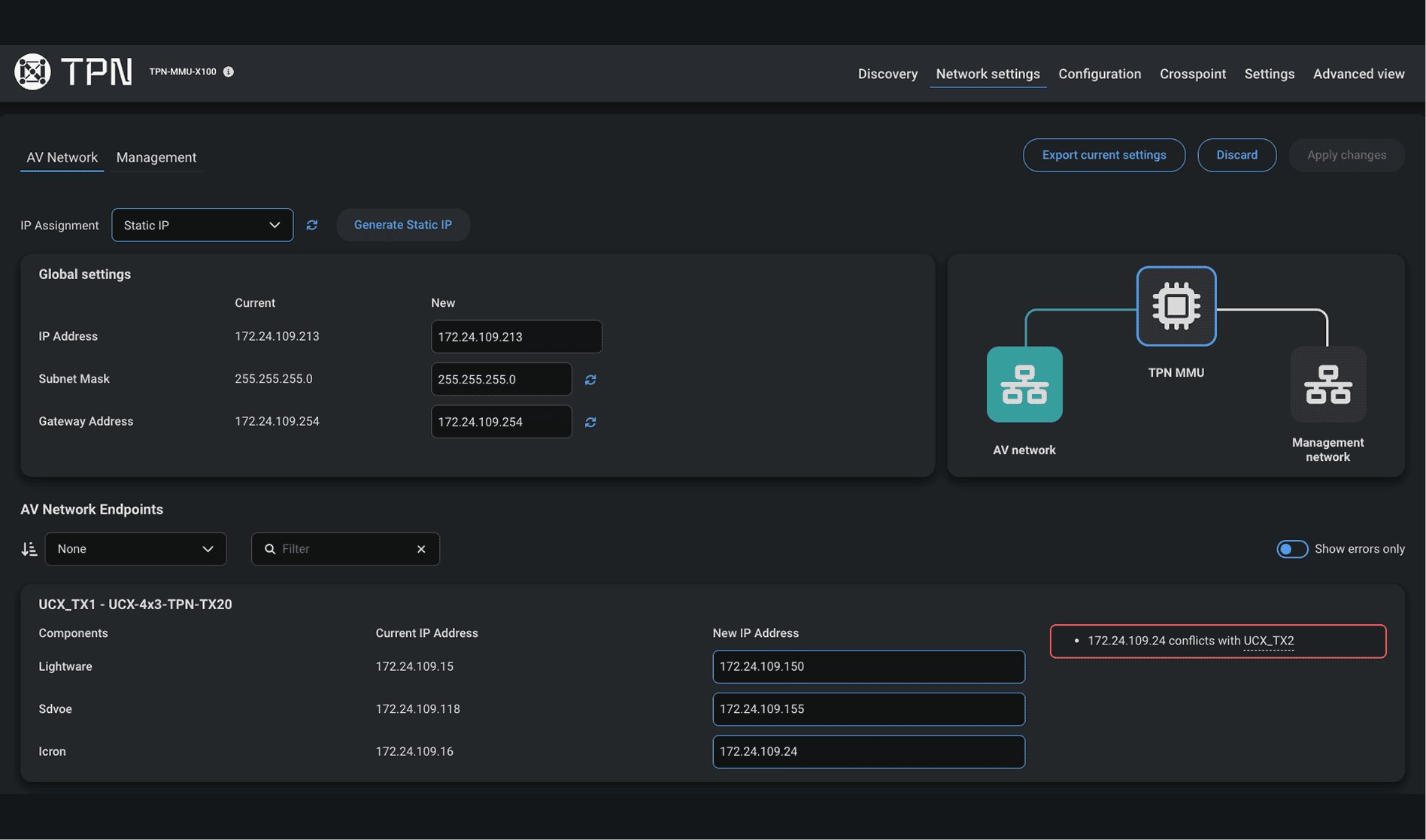
Configure network, video, and serial settings from a dedicated MMU interface designed for fast, error-free setup. The system is built around clear separation between AV and Management networks, improving security, stability, and predictability in complex deployments. Easily switch between DHCP and static IP modes with built-in validation for IP conflicts and subnet mismatches. Centralized network controls and device-level settings ensure consistent configuration across AV and Management paths, reducing setup errors and enabling reliable, long-term operation.
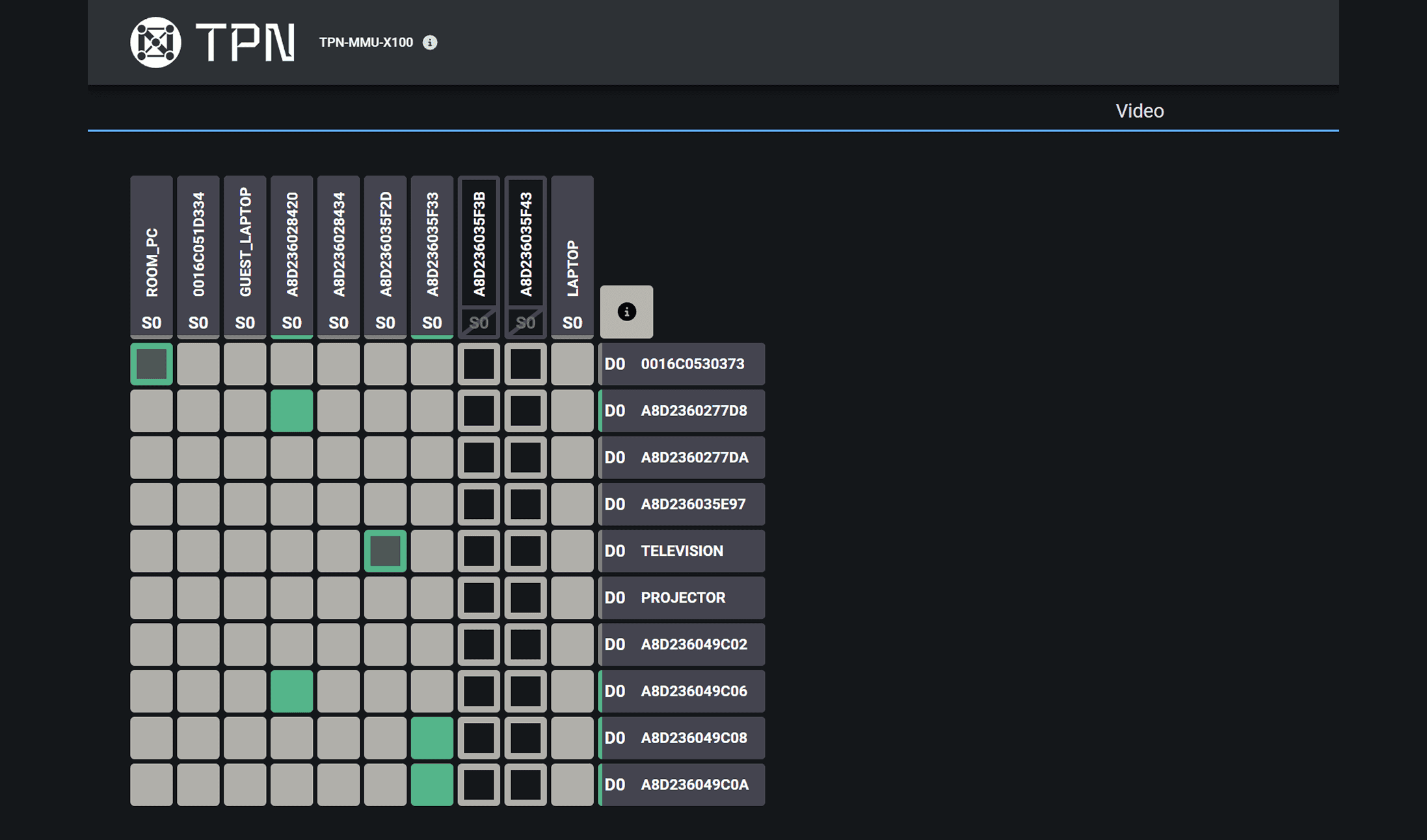
Control routing, monitor system health and manage USB workflows from a single MMU interface with read-only operator views and full API access for automation. The MMU exposes LW3 and SDVoE APIs for control-system integration, provides real-time diagnostics and logs, and ensures changes propagate instantly while maintaining predictable SDVoE performance across the deployment.
Available Control Units and Switcher
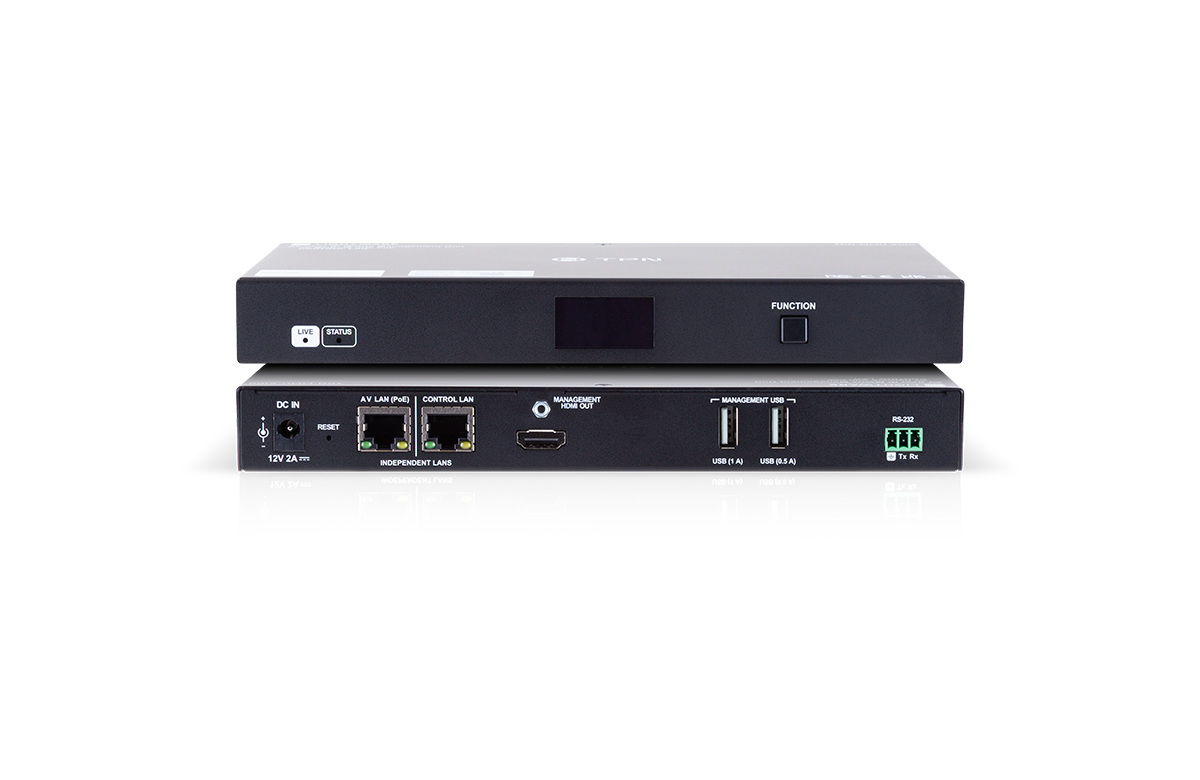


3 products
Campus Multibuilding Hybrid Learning
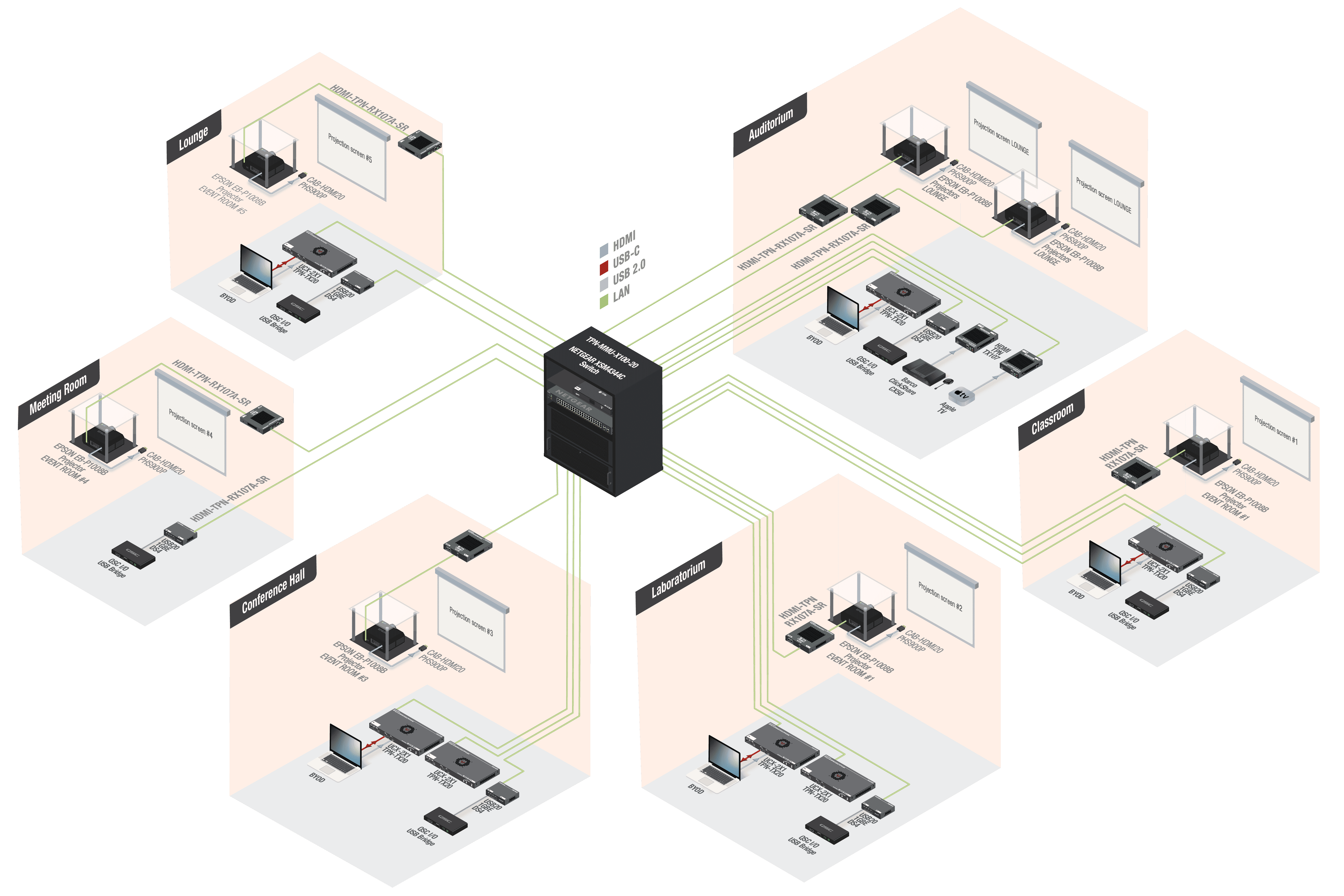
Campus AV topology showing TPN (copper) and OPTN (fiber) endpoints, a 10G SDVoE switch and the MMU.
Genlock and Fastswitch modes
All TPN decoders support zero-drtift Genlock operation by design, allowing multi-display applications to work in perfect sync. In addition to Genlock, the -SR variants also offer Fastswitch mode that eliminates any black screen period when switching between signals.
One control layer for TPN and OPTN
TPN (copper) and OPTN (fiber) endpoints are discovered, configured, and operated through a single MMU interface, regardless of room type or connection distance.
BYOM and KVM over the network
USB signals are routed over the network and follow video paths, enabling peripheral sharing, BYOM, and KVM-style workflows across rooms.
Fast deployment, easy expansion
Autodiscovery and centralized configuration reduce commissioning time, while a shared architecture supports expansion from individual rooms to larger multi-room systems.
From Challenge to Solution - What Integrators Get with Lightware's TPN MMU
 Fragmented system visibility
In SDVoE-based systems, endpoints are often configured and monitored individually, making it difficult to maintain a clear overview of devices, roles, and system structure, especially as the system scales.
 Centralized system visibility
The MMU automatically discovers TPN and OPTN endpoints and presents them in a single structured interface, providing clear, real-time visibility into devices, roles, and system topology, without duplicating or replacing endpoint-level configuration data.
Repetitive setup workflows
Commissioning requires accessing and configuring each endpoint separately, increasing setup time and the risk of inconsistent system behavior.
Prepare once, apply consistently
The MMU streamlines configuration workflows across multiple endpoints, helping ensure consistent settings and significantly faster system commissioning.
Too many tools for basic switching
Video routing often relies on additional controllers, external control systems, or custom scripting, adding complexity, cost, and integration effort.
Built-in virtual matrix switching
With integrated SDVoE video crosspoint control, the MMU turns a standard 10G network into a virtual matrix, with no additional hardware or custom control logic required.
Systems that are hard to operate after installation
After handover, day-to-day operation is often unclear for IT teams or end users, leading to frequent support calls and change requests.
Designed for everyday operation
The MMU clearly separates commissioning and operational workflows, enabling reliable switching, preset recall, and system control through a clean, purpose-built interface.
AV feels foreign to IT infrastructure
Limited network awareness and inconsistent system structure can create friction between AV deployments and enterprise IT environments.
IT-aligned AV management
Through structured discovery, network-aware configuration, and transparent system visibility, the MMU enables AV-over-IP systems to integrate naturally into IT-managed networks.
MMU Features
Integrated Device Discovery
Automatically detects and manages SDVoE devices through a built-in, intuitive interface.
Easy TPN System Configuration
Quickly and easily build complete system configurations with dynamic endpoint naming.
Advanced Network Configuration
Simplified setup for both automatic and static IP addressing. Includes intelligent error detection to resolve potential network incompatibilities.
Secure Multi-Network Operation
Operates seamlessly across AV Utility and Corporate network segments, ensuring secure and reliable integration.
Scalable Control Management
Centrally manage up to 20 connected endpoints simultaneously from a single interface.
Comprehensive Endpoint Configuration
Easily configure scaler settings, RS-232 serial parameters, and inject custom commands directly from the management interface.
Intuitive Video Crosspointing
Seamless video routing between transmitters and receivers, ensuring flexible and efficient signal control.
Built-in LARA Support
Includes integrated LARA audio communication and monitoring features within the MMU interface.
Future-Ready Platform
Firmware-upgradable architecture designed for upcoming protocol extensions and new device families.
Validated 10G Networking
TPN systems are built on SDVoE technology, where network quality directly defines AV performance. Through its collaboration with NETGEAR, Lightware delivers pre-validated 10G AV Line switching solutions tailored for TPN environments. By combining Lightware’s AV system expertise with NETGEAR’s AV-optimized networking platform, the solution ensures tested interoperability, stable multicast handling, and deterministic real-time performance across all TPN endpoints, enabling TPN systems to operate as a reliable virtual matrix over standard 10G infrastructure, while reducing deployment risk and accelerating commissioning.
Related Training Materials
AV-over-IP System Basics
Netgear AV - Level 1
Frequently Asked Questions
We’ve gathered the most common questions so you can get quick answers
The MMU discovers, monitors, and manages all endpoints and switches across the SDVoE network, providing topology, routing, and control tools in one interface.
Yes — TPN and OPTN devices can be freely mixed within the same SDVoE deployment, provided they share a 10G network with compatible switches.
No external SDVoE manager software is required. The MMU provides all discovery, configuration, and routing functionality without the need for CLI access.
USB routing is fully synchronized with the AV streams, ensuring low latency and high reliability for BYOM and KVM workflows.
Existing routes remain active, but new routing changes cannot be made until the MMU is back online.
The 20 limit applies only to the TPN-MMU-X100-20. The MMU manages Taurus TPN, HDMI-TPN, and OPTN endpoints together, and a 100-endpoint version is planned for 2026.