Long-distance HDMI over fiber with SDVoE
HDMI-OPTN devices are SDVoE-based fiber extenders designed for point-to-multipoint HDMI 2.0 transmission, ensuring exceptional quality, speed, and reliability.


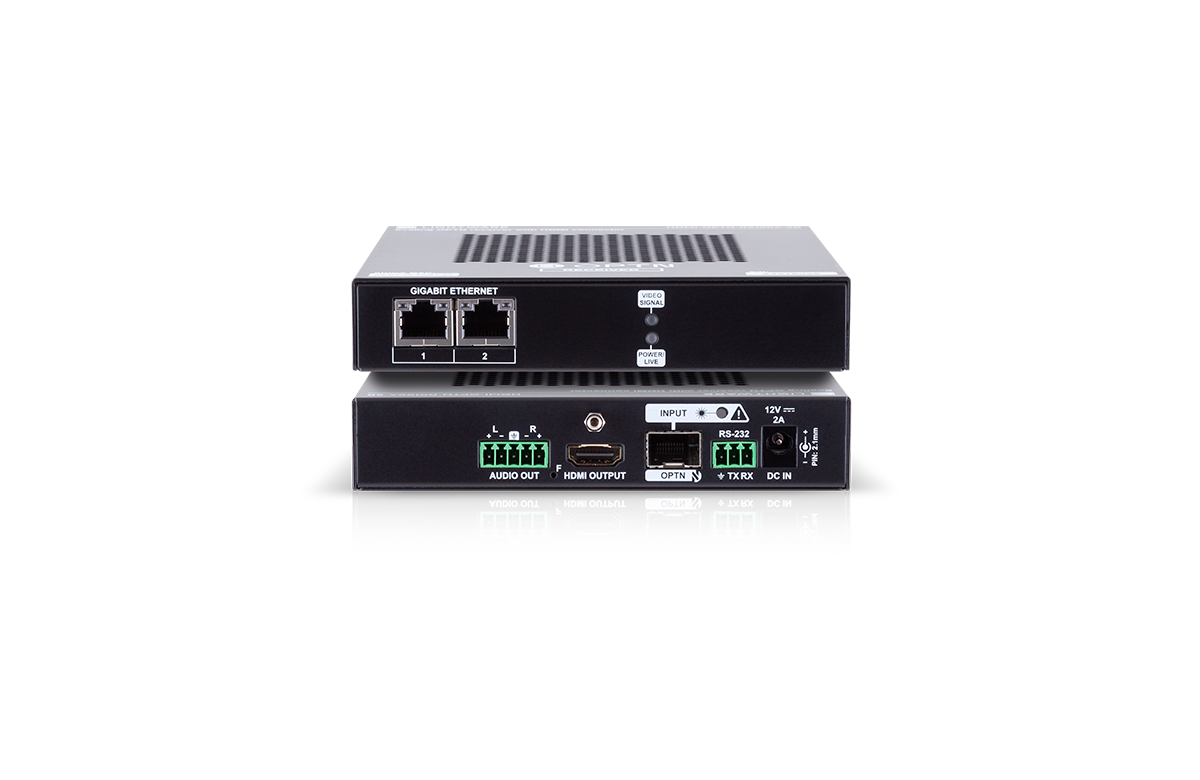
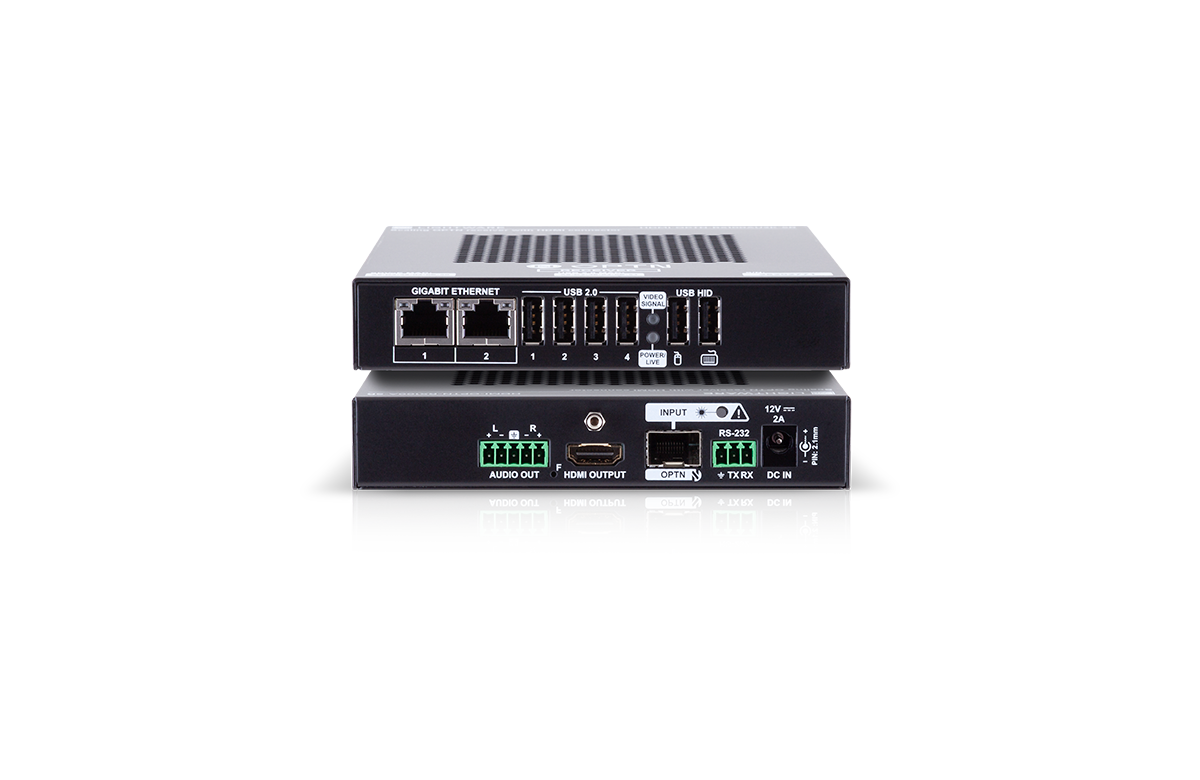
Long-range 10G over fiber
Extend AV-over-IP beyond copper limits, up to long distances on fiber, ideal for campuses, venues, and backbone-style deployments.
Unified copper + fiber ecosystems
Combine room-level copper endpoints with fiber backbone links in one coherent architecture, no need to split systems.
Deterministic SDVoE performance
Keep the same SDVoE-based, real-time AV behavior across fiber-connected parts of the deployment.
Scaling where you need it
Scaling-capable receiver variants help standardize outputs across mixed display types and long-distance runs.
USB & Ethernet transport support
Carry the signals your workflows require, USB (incl. USB 2.0) and user Ethernet support fit real integrator use cases.
Built for backbone reliability
Fiber links provide robust infrastructure for large facilities, cleaner routing, distance capability, and resilient system design.

Long-distance AV-over-IP backbone
OPTN endpoints extend the TPN ecosystem over fiber, enabling long-distance and backbone-style AV-over-IP deployments. They are designed for campuses, large venues, and multi-building systems where signal distance, reliability, and scalability are critical.
By integrating OPTN into a TPN-based architecture, integrators can combine copper-based room endpoints with fiber-based backbone connections in one unified system. With MMU control, OPTN endpoints are managed alongside TPN devices, providing a single control layer for both local rooms and long-haul AV distribution.
Unify All TPN Endpoints into One AV-over‑IP System
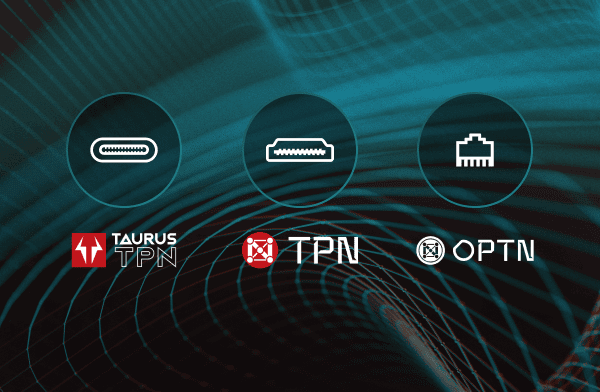
The Matrix Management Unit (MMU) connects the different TPN endpoint families into a single, coherent AV-over-IP system. With the MMU in place, Taurus TPN, HDMI-TPN, and OPTN endpoints work together on the same SDVoE network, rather than operating as separate, isolated device groups.
The MMU provides one interface to discover devices, apply system-wide settings, and perform SDVoE video switching across mixed endpoint types. This allows systems to be designed and operated as one unified platform-simplifying commissioning and ensuring consistent, predictable real-time AV operation across the entire deployment.
Centralized system visibility
All connected TPN and OPTN endpoints are automatically discovered and presented in one structured overview, making complex systems easier to understand, document, and maintain.
Consistent configuration at scale
Key system settings can be prepared and applied centrally, ensuring consistent behavior across rooms and reducing setup time during commissioning and system changes.
Integrated SDVoE video switching
With the MMU in place, a standard 10G network becomes a virtual matrix, enabling deterministic, low-latency SDVoE video routing without external controllers or custom logic.
Designed for integrators and IT environments
By adding structure, transparency, and a clear management layer, the MMU helps AV-over-IP systems align more naturally with IT-managed networks and operational workflows.
Validated 10G Networking
TPN systems are built on SDVoE technology, where network quality directly defines AV performance. Through its collaboration with NETGEAR, Lightware delivers pre-validated 10G AV Line switching solutions tailored for TPN environments. By combining Lightware’s AV system expertise with NETGEAR’s AV-optimized networking platform, the solution ensures tested interoperability, stable multicast handling, and deterministic real-time performance across all TPN endpoints, enabling TPN systems to operate as a reliable virtual matrix over standard 10G infrastructure, while reducing deployment risk and accelerating commissioning.
Optional Accessories

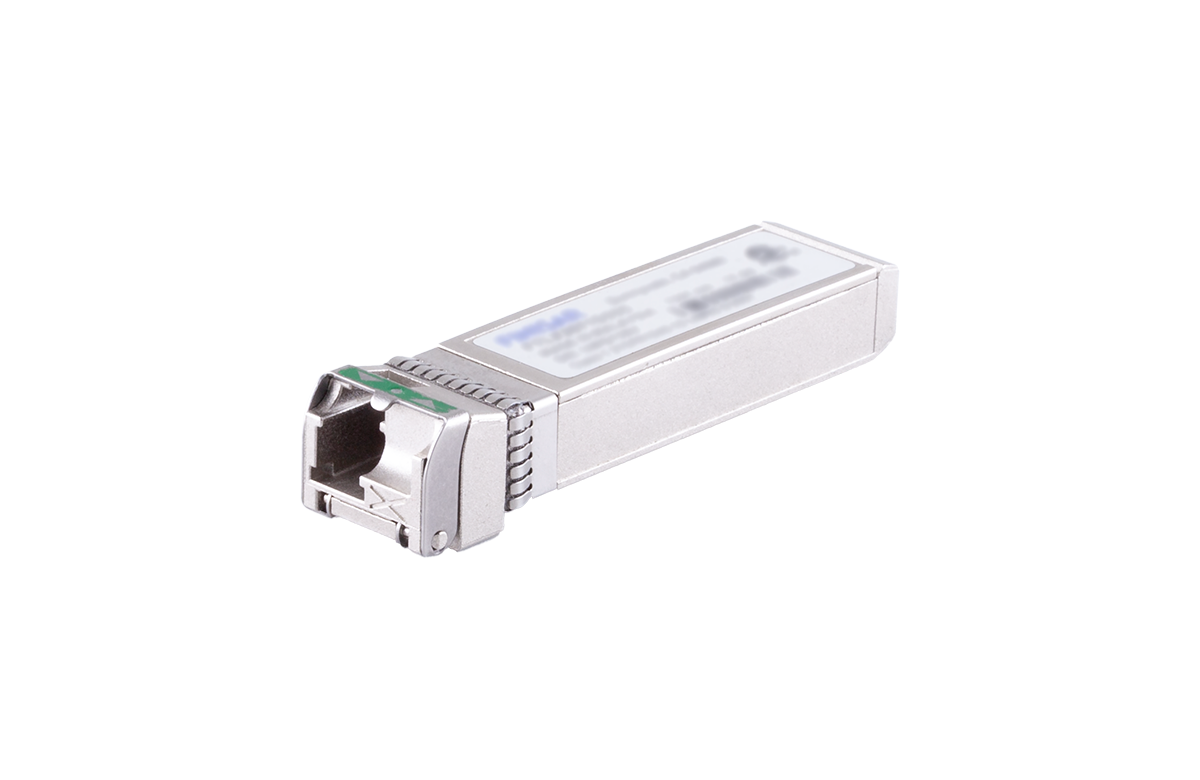

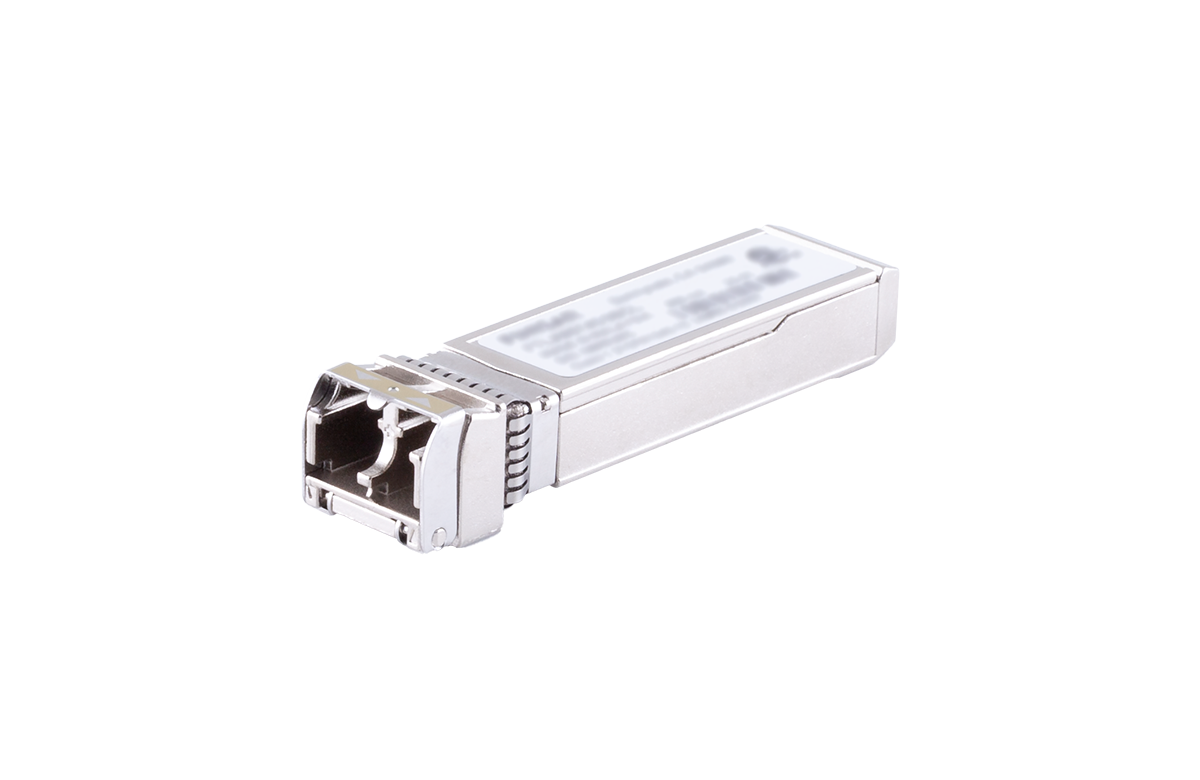
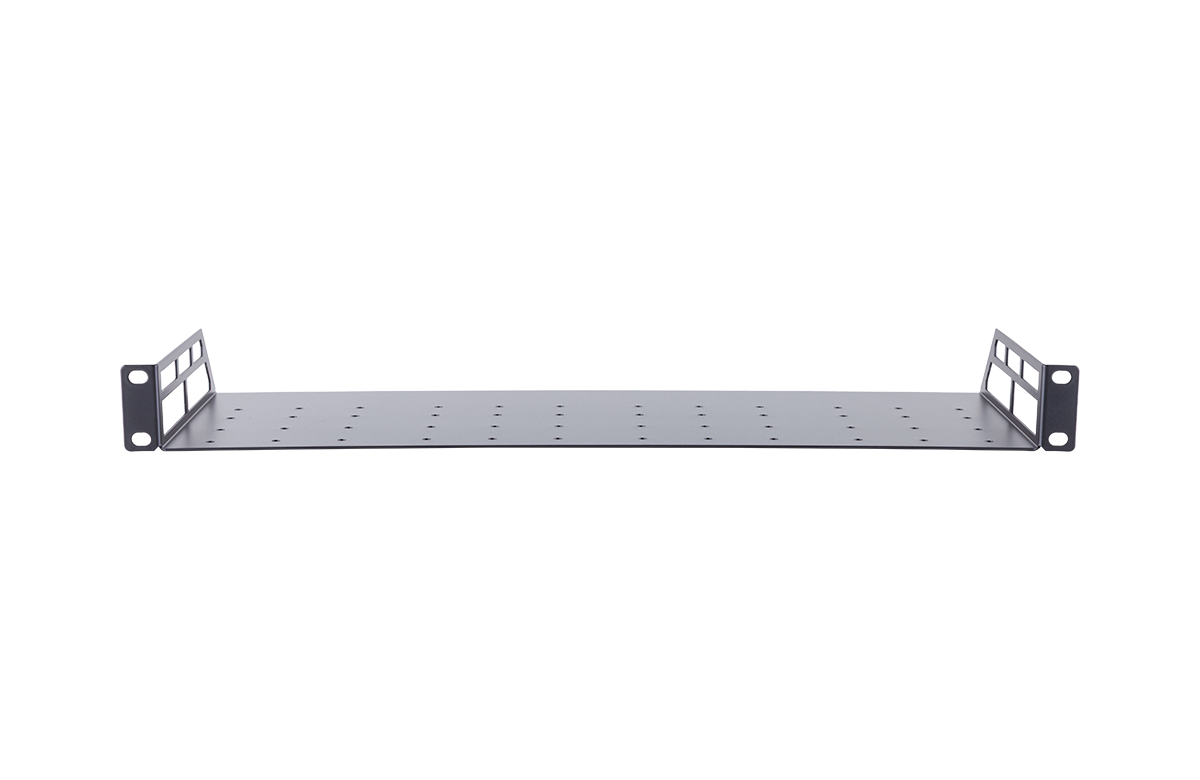
7 products
Related Training Materials
AV-over-IP System Basics