HDMI signal distribution over 10G SDVoE
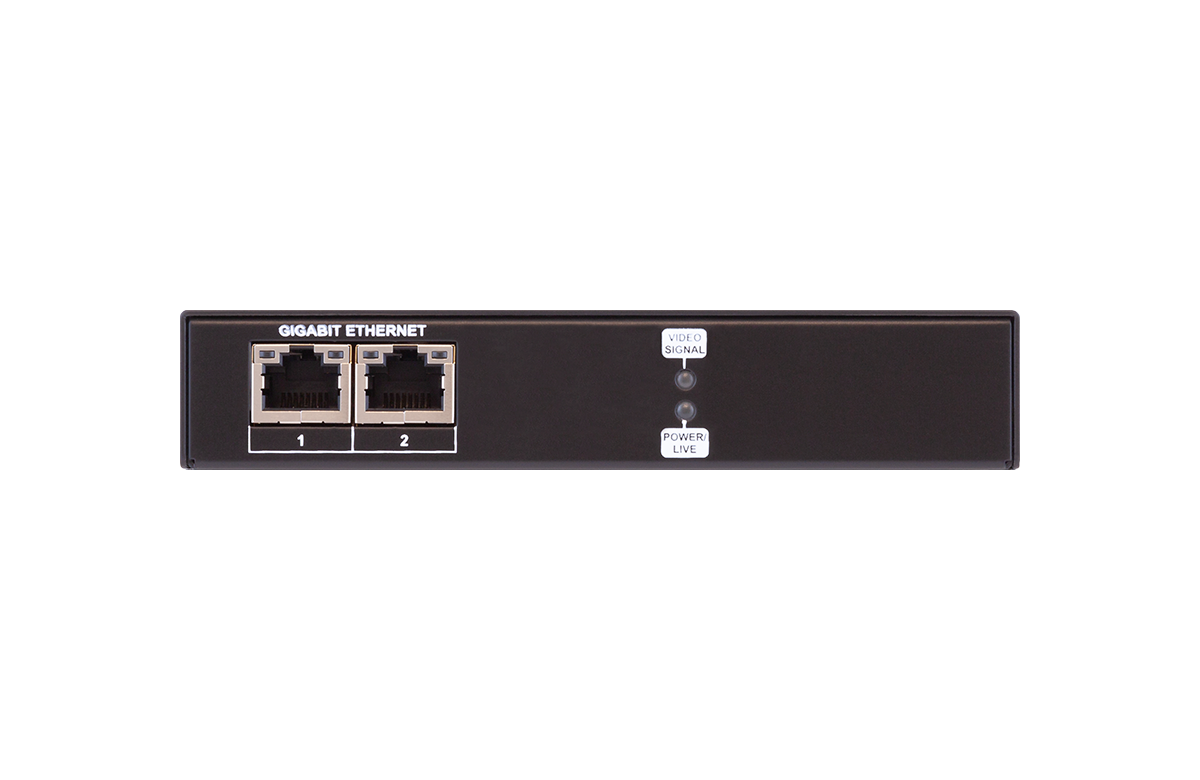
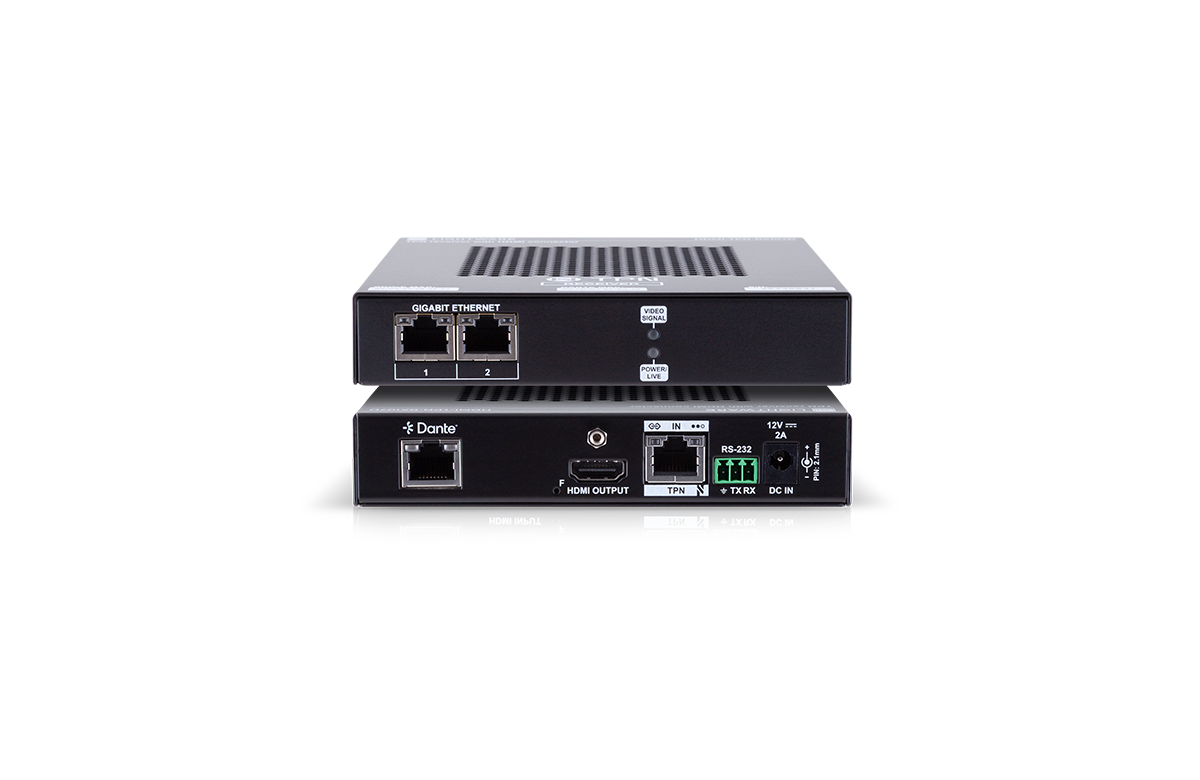
HDMI-TPN endpoints are SDVoE-based 10G AV-over-IP devices designed for deterministic HDMI video distribution, ultra-low-latency switching, and seamless integration into Lightware’s TPN ecosystem



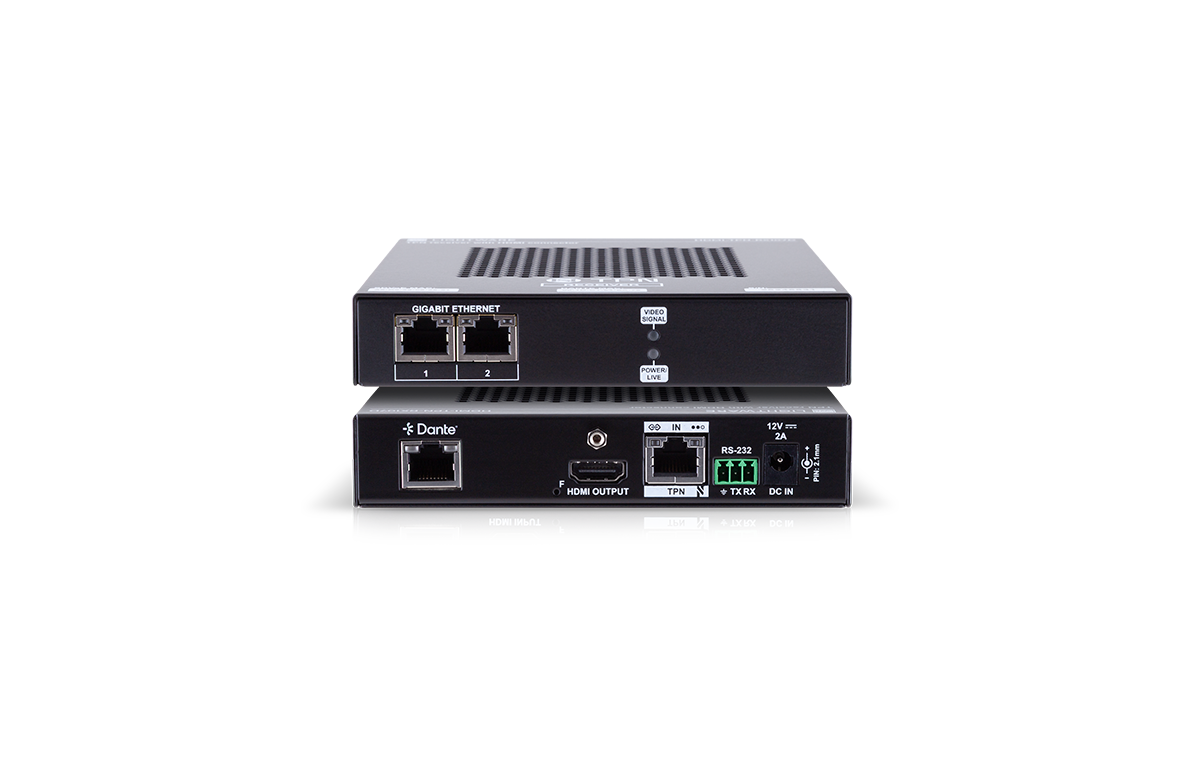
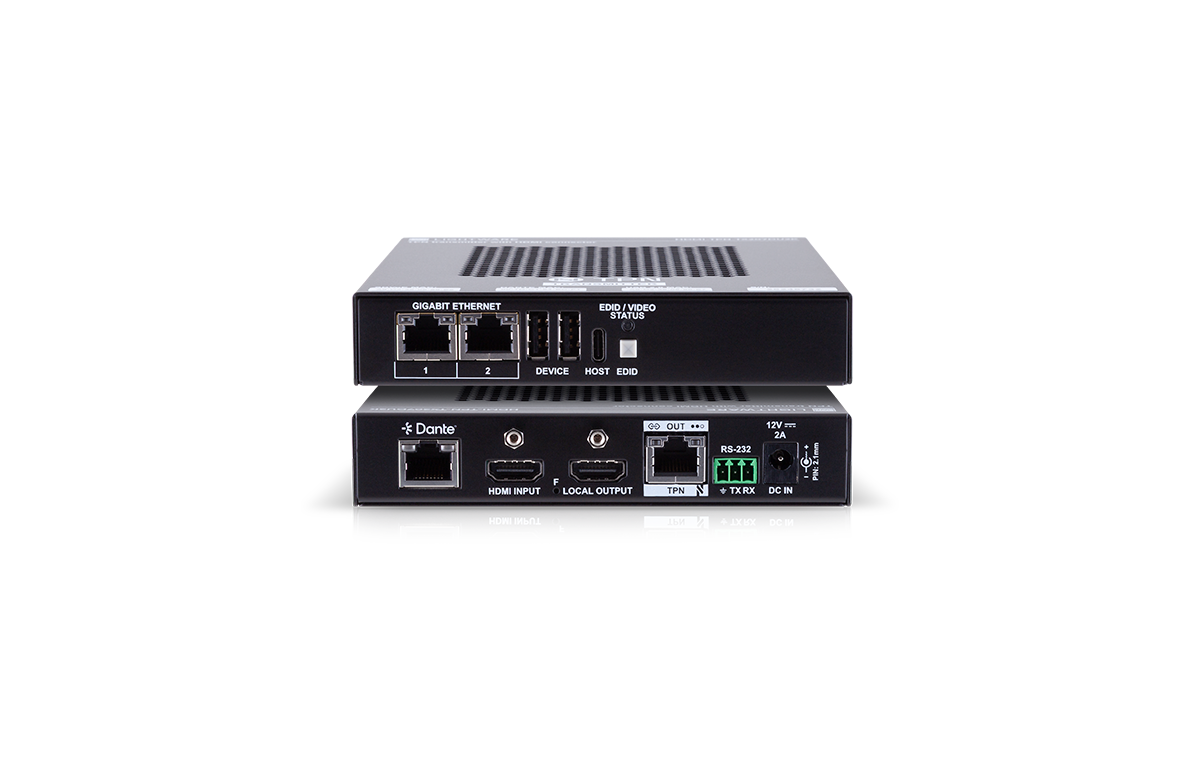
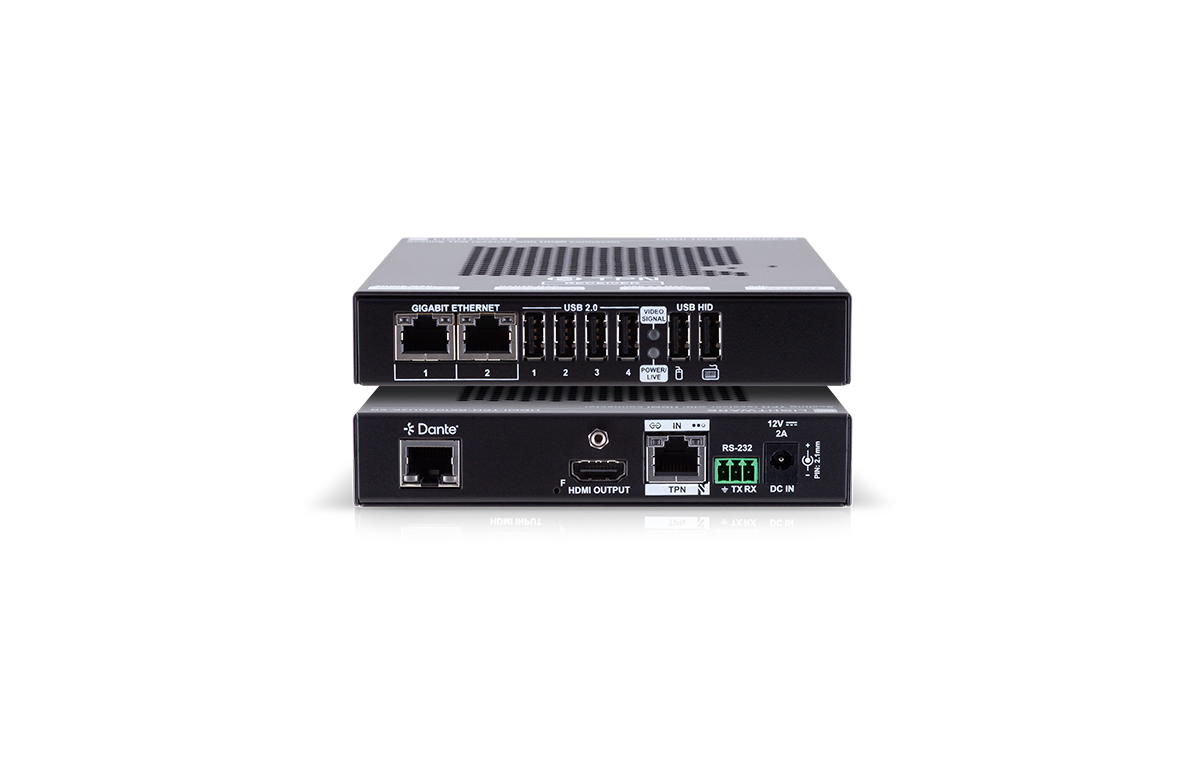
Uncompressed 4K60 SDVoE video
Deterministic, real-time 4K60 4:4:4 transport over 10G, built for frame-accurate playback and high-impact presentation spaces.
Virtual matrix over a 10G switch
Route HDMI 2.0, audio, control signals through standard 10G switching, no traditional matrix hardware required.
Point-to-multipoint distribution
Easily broadcast one source to multiple receivers for signage, overflow rooms, or multi-display scenarios.
Plug & play interoperability
Designed to work smoothly within the wider TPN ecosystem, simplifying commissioning and expanding system design options.
Power & network tunneling options
PoE-powered endpoints and 1Gb LAN tunneling help reduce cabling complexity and support practical integration needs.
AV extensions: HDR, scaling, Dante
Support for HDR / Low Latency Dolby Vision, scaling & fast switching on SR variants, plus Dante audio de-embedding on Dante models.
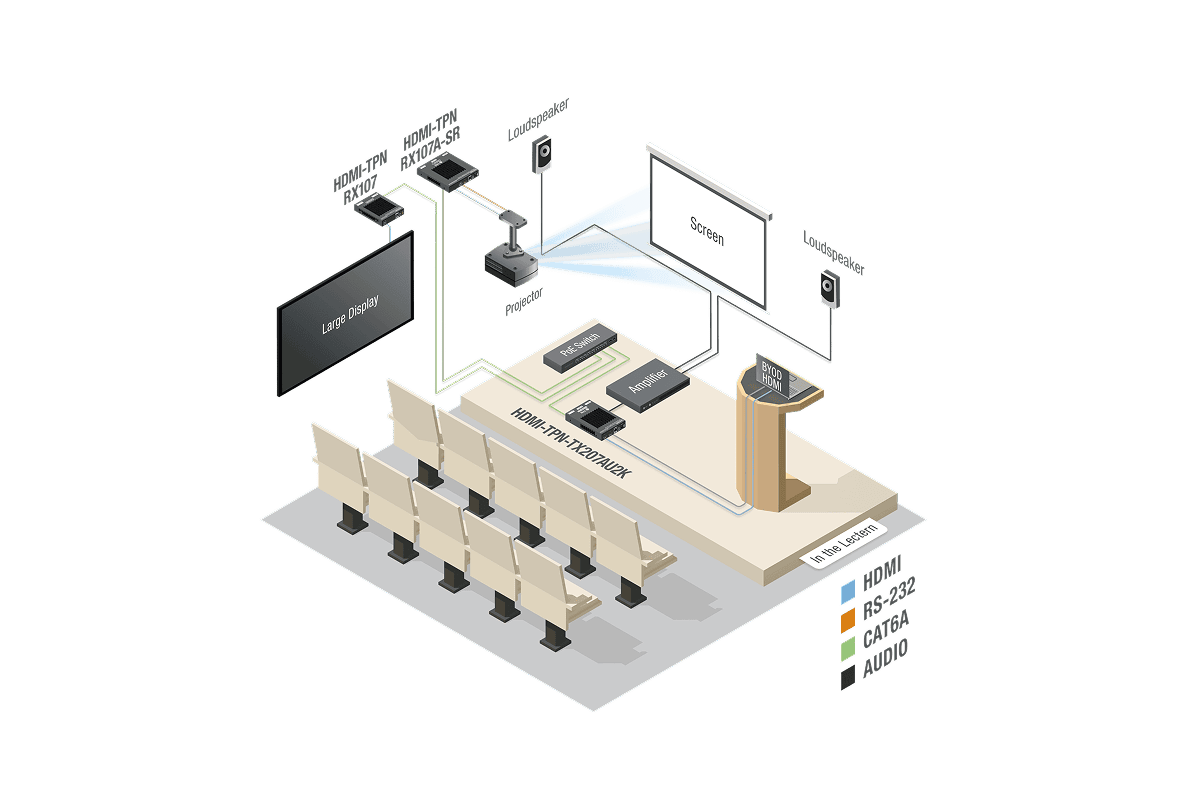
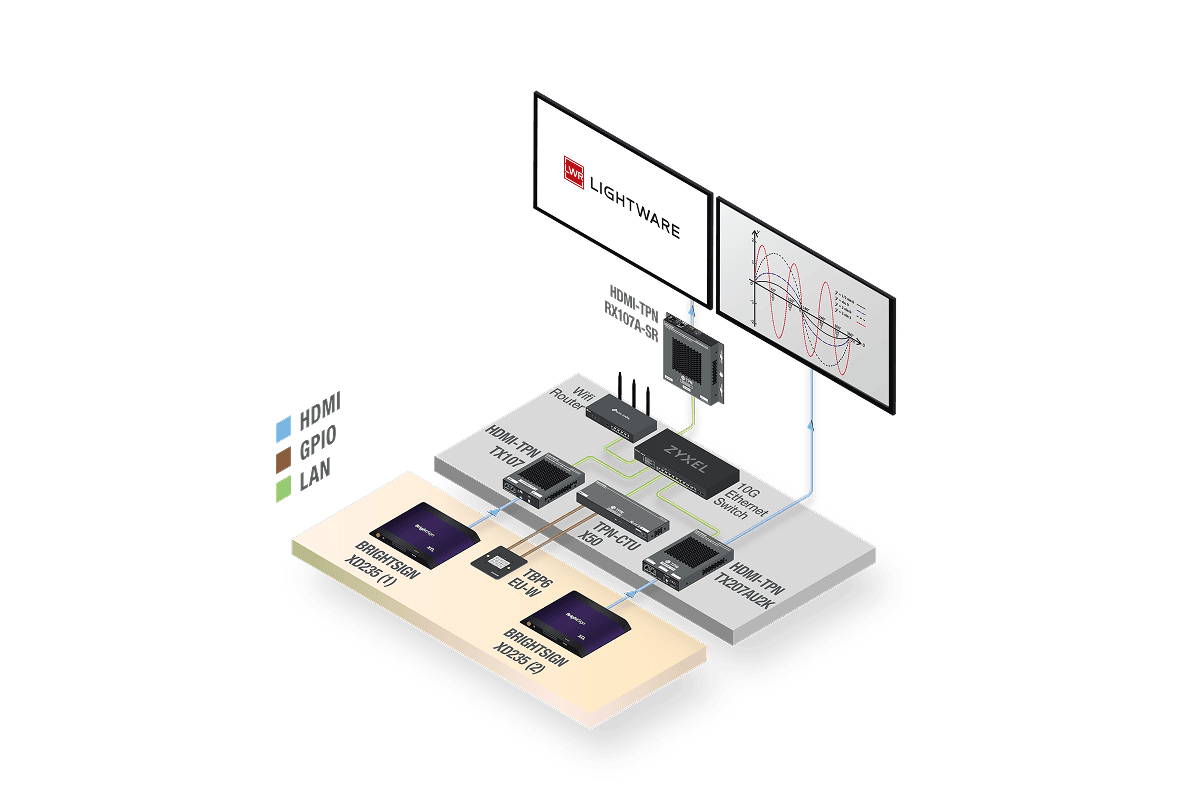
Deterministic video distribution over IP
HDMI-TPN endpoints deliver deterministic, real-time video distribution within the TPN ecosystem. They provide uncompressed or ultra-low-latency 4K60 SDVoE video over a standard 10G network, ensuring frame-accurate performance for presentation rooms and event spaces.
With MMU-based management, HDMI-TPN systems operate as a virtual matrix, enabling centralized switching, simplified commissioning, and scalable video distribution across multiple spaces.
Unify All TPN Endpoints into One AV-over‑IP System
The Matrix Management Unit (MMU) connects the different TPN endpoint families into a single, coherent AV-over-IP system. With the MMU in place, Taurus TPN, HDMI-TPN, and OPTN endpoints work together on the same SDVoE network, rather than operating as separate, isolated device groups.
The MMU provides one interface to discover devices, apply system-wide settings, and perform SDVoE video switching across mixed endpoint types. This allows systems to be designed and operated as one unified platform-simplifying commissioning and ensuring consistent, predictable real-time AV operation across the entire deployment.
Centralized system visibility
All connected TPN and OPTN endpoints are automatically discovered and presented in one structured overview, making complex systems easier to understand, document, and maintain.
Consistent configuration at scale
Key system settings can be prepared and applied centrally, ensuring consistent behavior across rooms and reducing setup time during commissioning and system changes.
Integrated SDVoE video switching
With the MMU in place, a standard 10G network becomes a virtual matrix, enabling deterministic, low-latency SDVoE video routing without external controllers or custom logic.
Designed for integrators and IT environments
By adding structure, transparency, and a clear management layer, the MMU helps AV-over-IP systems align more naturally with IT-managed networks and operational workflows.
Validated 10G Networking
TPN systems are built on SDVoE technology, where network quality directly defines AV performance. Through its collaboration with NETGEAR, Lightware delivers pre-validated 10G AV Line switching solutions tailored for TPN environments. By combining Lightware’s AV system expertise with NETGEAR’s AV-optimized networking platform, the solution ensures tested interoperability, stable multicast handling, and deterministic real-time performance across all TPN endpoints, enabling TPN systems to operate as a reliable virtual matrix over standard 10G infrastructure, while reducing deployment risk and accelerating commissioning.
Related Training Materials
AV-over-IP System Basics